Monthly Archives: January 2021

Resources to encourage creativity at home – inspired by books!

We know it’s good to encourage our children to ‘be creative’, alongside their homelearning. In particular time to read is so important, offering an ‘escape’ for young minds and inspiring imaginations. But with schoolwork to do, our own work to complete and the daily juggle on going, it’s a bit of a challenge, to say the least!

Help is at hand with the multiple online resources available to provide inspiration – but time to navigate these is also short! Today, I’ve gathered some on the blog that have caught my eye, and that I think will give your young readers the opportunity to get creative and encourage their reading for pleasure.

Picture Books

Award-winning Umbrella by Elena Arevalo Melville tells the story of Clara who finds a magical umbrella in the park which leads her on a wonderful journey of discovery! Read my review here. Ideal for storytime, author Elena has recorded the story (approx 10mins). There are delightful activities including inviting children to imagine what they would wish for if they found a magical umbrella! For more formal teaching, there is a scheme of work available exploring the themes and characters in the story. Published by Scallywag Press.
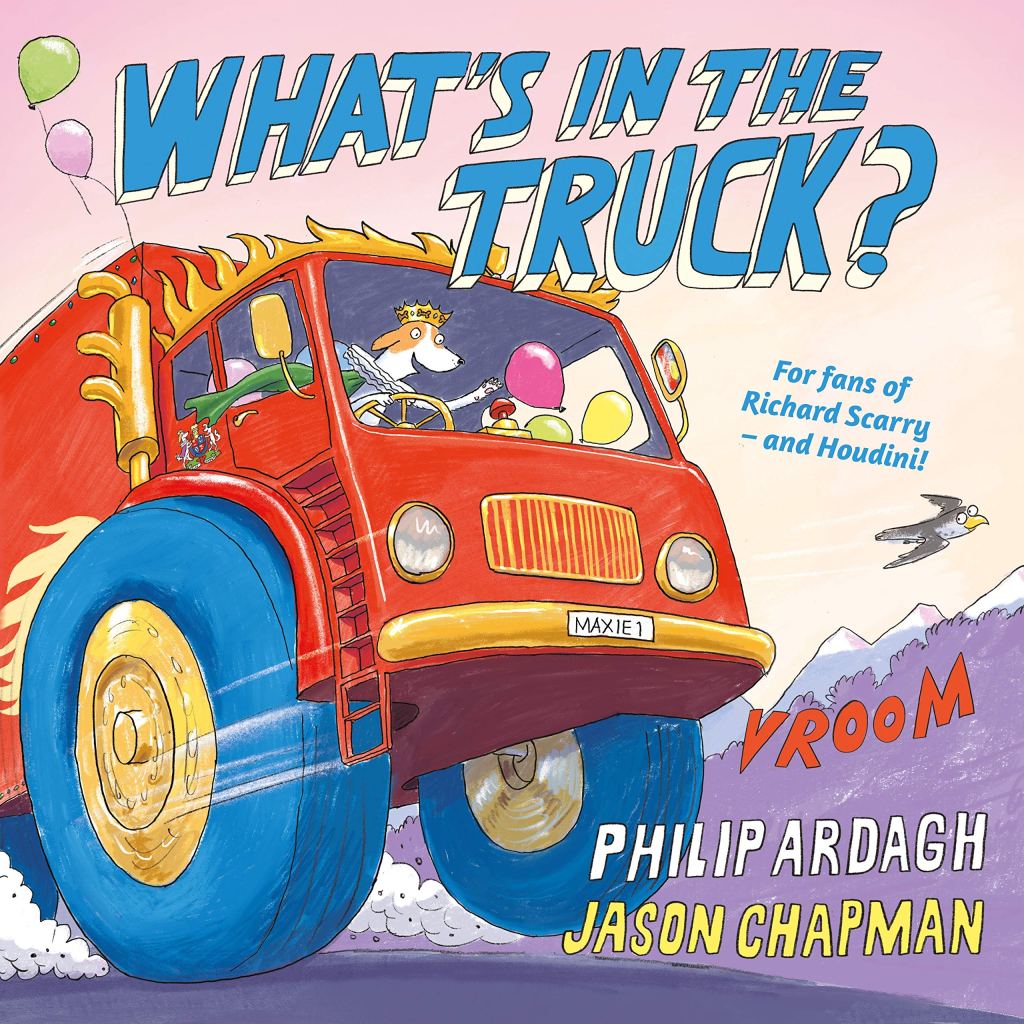
Larger-than-life story What’s in the Truck? by Philip Aardagh and Jason Chapman tells the tale of a dog prince and his ever changing vehicles! You can read an extract of the story and there are fun activities to entertain young readers. There’s also an online event hosted by indie bookshop, The Book Nook in Hove with Philip and Jason participating in a storytime and drawalong which children will love! Published by Faber.
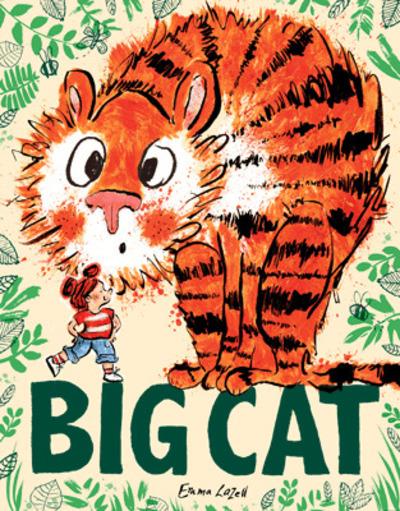
Big Cat by Emma Lazell  is a hilarious story about Isobel and her Grandma and their discovery of a very Big Cat in the garden. Read my review here. Fans of cats will absolutely love this story; you can read an extract here, listen to Emma read the story aloud and there’s an activity pack to encourage budding young illustrators. Published by Pavilion Books
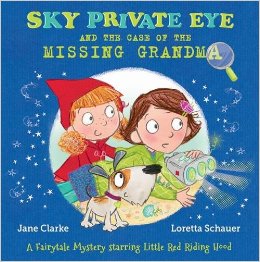
Sky Private Eye by Jane Clarke & Loretta Schauer is a delightful series featuring Sky, who can be found searching for clues and solving mysteries involving fairytale characters we know and love ( think Red Riding Hood, the Gingerbread Man) – and also has a fondness for baking! Read my review here. There are some lovely activities available including making cakes for the young bakers in your lives (but don’t let the Big Bad Wolf find out…!) Published by Five Quills.

Illustrated fiction
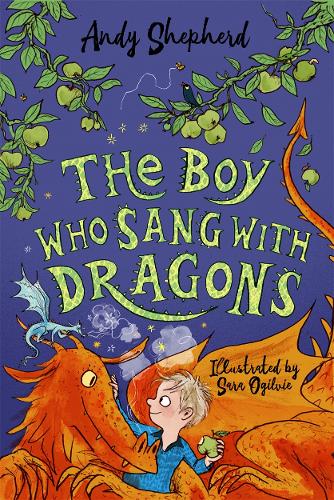
The Boy Who Grew Dragons by Andy Shepherd and illustrated by Sara Ogilvie is a hugely popular series for 7-9 year olds. The fifth and final book in the series published this month and the author has created a range of fantastic resources to bring the stories to life through activities, book talk and arts and crafts ideas. Andy has also created a brilliant mini dragon story resource with a video and ideas for illustration. Published by Piccadilly Press

Jasper and Scruff by Nicola Colton creates a fabulous new friendship between a cat and a dog! Warm and funny, young readers will love reading about Jasper and Scruff’s adventures. Nicola has created some brilliant illustration activities, so children can have a go at recreating this wonderful duo themselves. Book 3 in the series publishes next month, in the meantime you can watch a drawalong with Nicola here. Published by Little Tiger.

Poetry
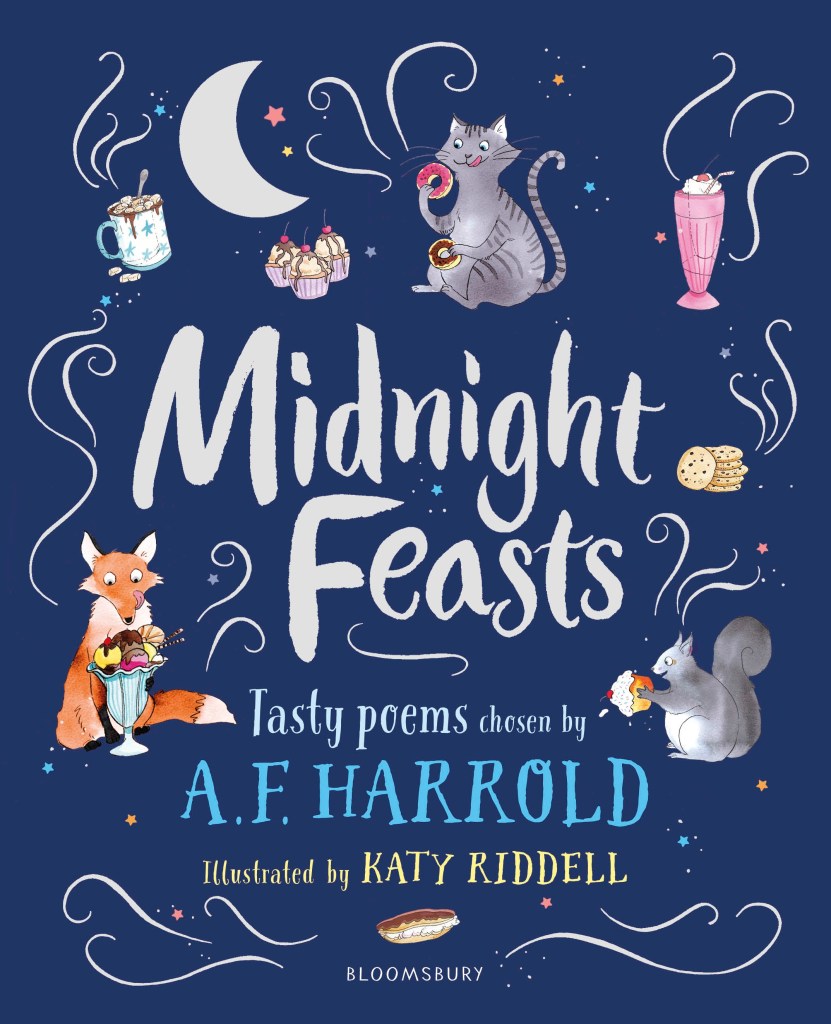
The incomparable A F Harrold selected the poems in Midnight Feasts, illustrated by Katy Riddell. Shortlisted for the CLiPPA 2020 award, there is a full teaching sequence available from CLPE. Rather brilliantly you can also watch A F Harrold perform poems from the book via his website. A great way to keep children entertained and introduce them to the wonderful world of poetry. Published by Bloomsbury

Middle Grade

Wilde by Eloise Williams was definitely one of my favourite reads of 2020. A contemporary fantasy story, you can read my full review here. Author Eloise, the inaugural Welsh Children’s Laureate , has put together a whole host of creative writing activities and there is a resource pack available here. The pack includes story extracts, Shakespeare and illustration activities – ideal for building on the imagination brought to life in the story! Published by Firefly Press.

After the War by Tom Palmer is another triumph in accessible, historical fiction for author Tom, who has worked tirelessly to support Holocaust Memorial Day. This story is utterly moving – read my full review here – focusing on the lives of three Jewish boys rescued from a concentration camp. Tom has produced multiple teaching resources, video content and creative writing support and whilst Holocaust Memorial Day itself may have passed, the messages around After the War are relevant every day. Visit his website to find out more. Published by Barrington Stoke.

I absolutely adored Land of Roar by Jenny McLachlan and revisiting Roar in the sequel, Return to Roar. Author Jenny was previously a teacher and has created some inspiring, imaginative resources to encourage creativity including videos to make your own fantasy-land map, characters and fantasy poo!! There’s also a treasure hunt and ideas for bringing Roar to life at home and in the classroom. Great all round! Published by Egmont.

Faber Booktime is a fantastic resource featuring readings and activities from a huge variety of children’s authors – Chris Mould, Emma Carroll, Swapna Haddow & Sheena Dempsey and many more. Great for storytime and encouraging creativity in young storytellers. Find out more

Puffin Schools features multiple resource packs, one-off activities and video draw-alongs, storytime and the Puffin Storymakers Show. Search for an author or Puffin title to find an activity for your young readers – think Wimpy Kid, Jacqueline Wilson, Roald Dahl and other classroom favourites. Great for supporting literacy but also brilliant for encouraging reading for pleasure! Find out more.

These are just a few of the many and varied book-related resources that creative folk and their publishers have put together to help home-learning. Following #readingrocks, #edutwitter, #kidlit and of course #homelearning, will shine a light on others. And make sure you follow your children’s favourite authors, illustrators, poets and publishers on social media to keep a track of the live events and new content being published.

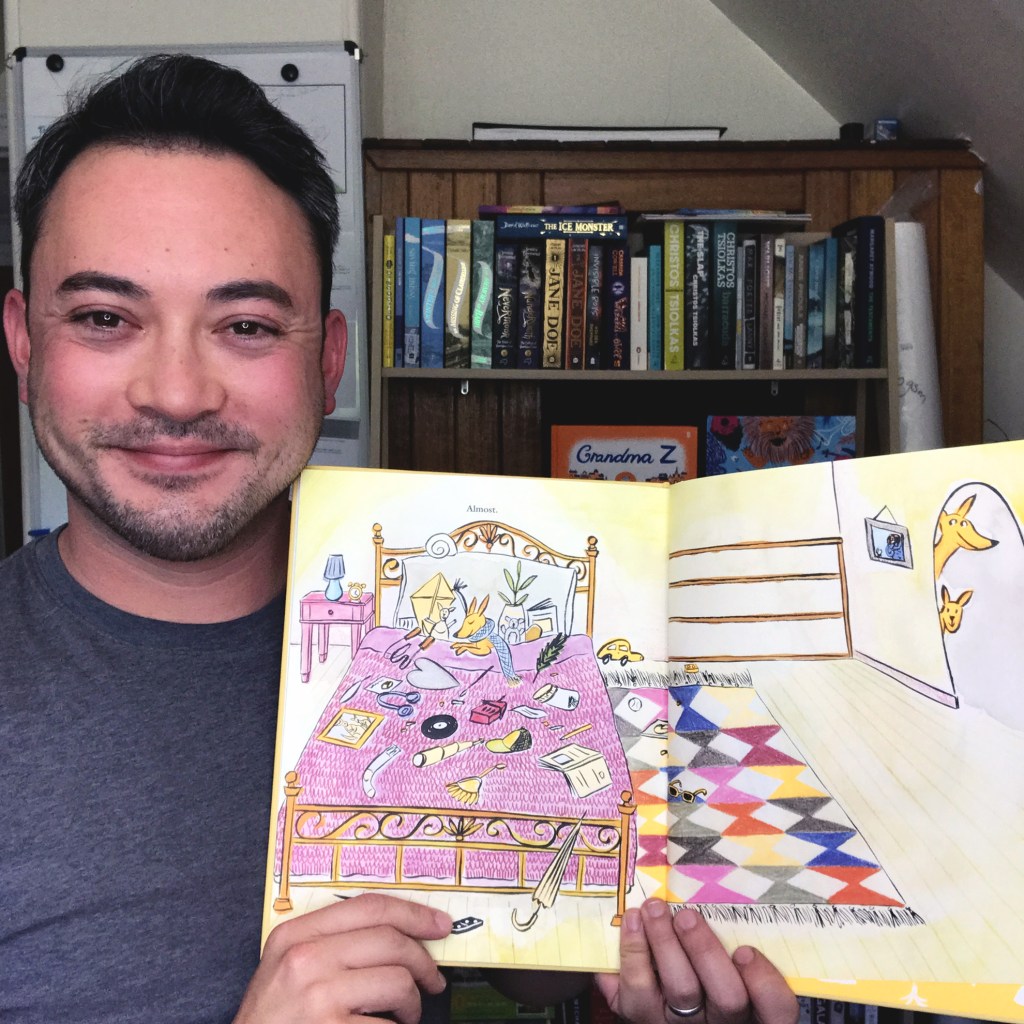
GUEST POST: The Pocket Chaotic – the illustration process by Daniel Gray-Barnett

As spend another period of time living in very close quarters, it seems appropriate to share this post about the illustration process behind the delightful picture, The Pocket Chaotic by written by Ziggy Hanaor and illustrated by Daniel Gray-Barnett. The story brings to life a delightful family of kangaroos, in a story of a journey towards independence – and how family life can make us feel like we’re living on-top of each other! Read my review of The Pocket Chaotic here.

Today, illustrator Daniel Gray Barnett shares insight into how he created the artwork for the story and his thoughts about the book. Welcome to the blog Daniel!

“When I was asked to work on Ziggy’s story, I (quite aptly) jumped for joy! I love drawing animals, and I love drawing families – getting to illustrate this particular one was something I was very excited about.

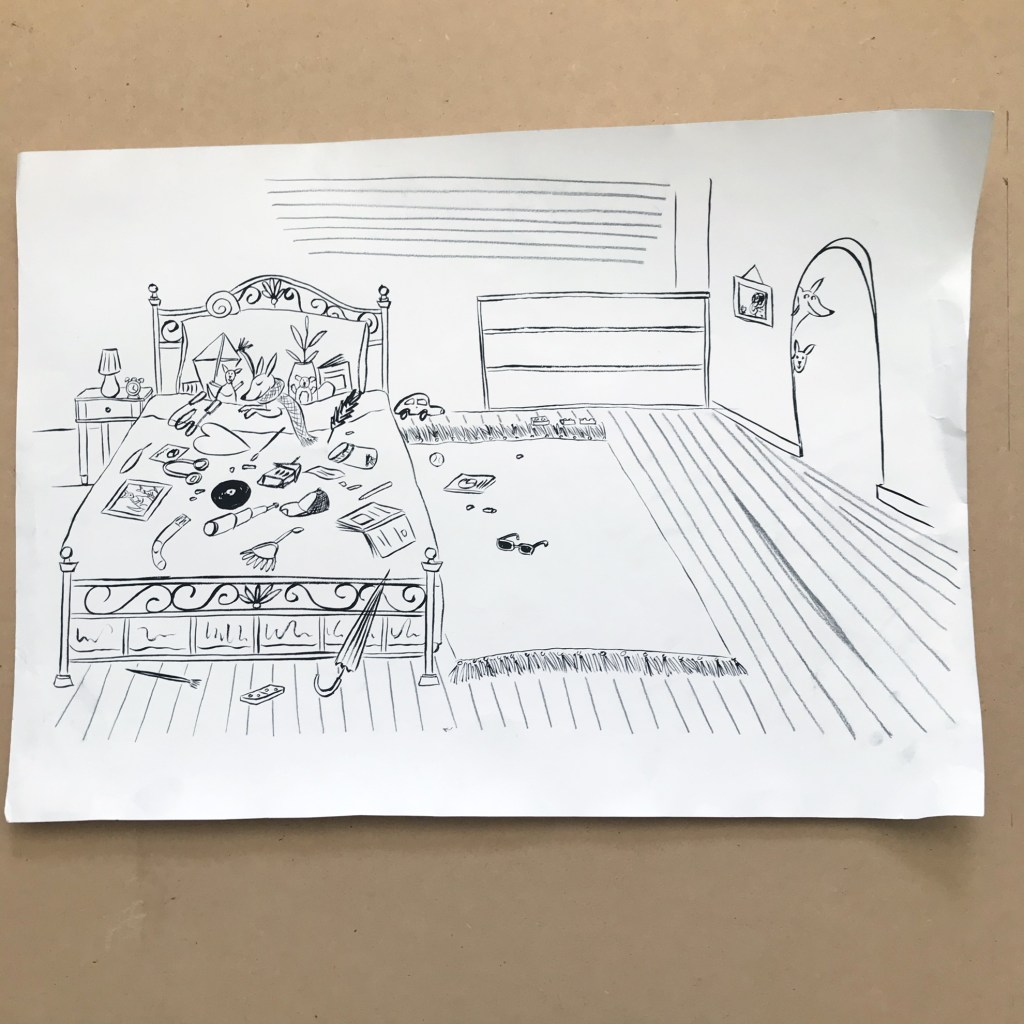
It’s a very funny, touching story that I think most people can relate to in one sense or another – whether it’s the parent-child connection that evolves as the child grows up and learns independence, or just the clash of personalities which often happens in families or relationships. Trying to maintain your own space in your life or home when you’re a neat, organised person and other people are a bit more chaotic is a common challenge. Maybe you’re the messy person with hoarding tendencies and your family just don’t understand the value of your treasure trove! Working on this project was a bit faster than previous picture book projects I’ve worked on – it was completed over a period of about 8-9 months. The sketching and storyboard phase took several months. I do all my sketching digitally in Photoshop, which helps me to be less precious about the process and keep things very loose! The editor had some ideas for how the spreads might work, which helped speed things up. Most of the storyboards have stayed fairly close to how I originally imagined, with some small tweaks.

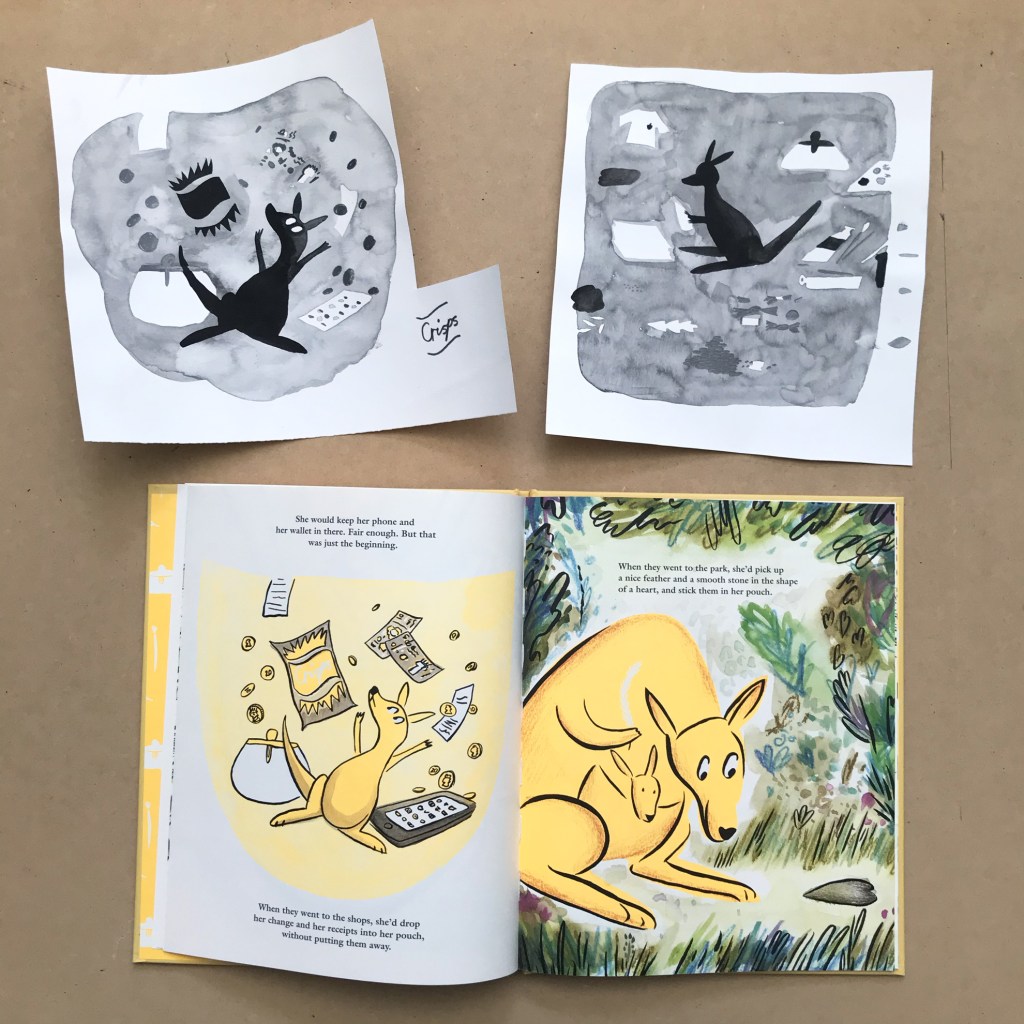
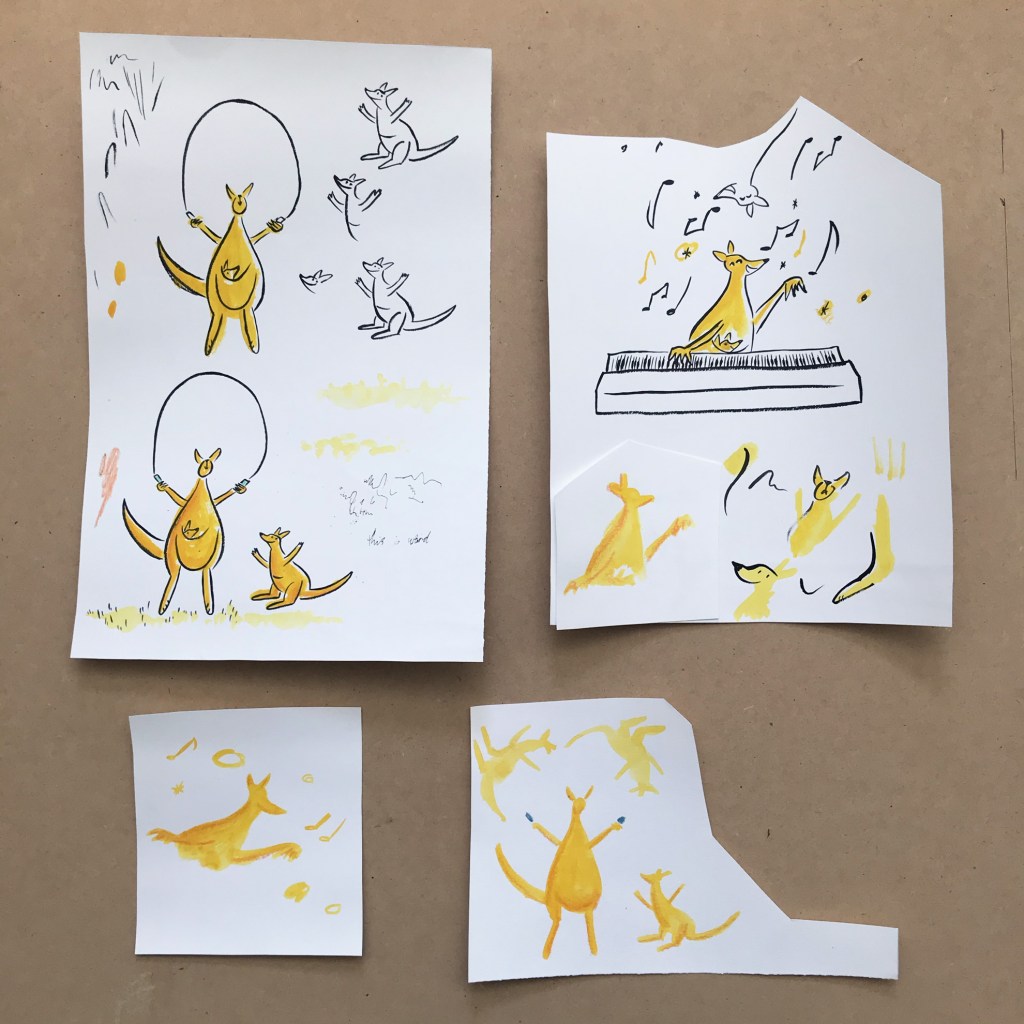
In working on the illustrations, I was very inspired by the work of Ludwig Bemelmans (of Madeline fame), one of my favourite illustrators. In the past, I tend to work in quite limited colour palettes, but was also looking for the challenge of working in full colour – and non-digital colouring at that. Ludwig’s work helped me see a way of combining these methods into a cohesive book. I love how in Madeline he contrasts illustrations of limited colours with full colour illustrations, which seem to be mostly used for the outside world in the story. I borrowed the same approach for The Pocket Chaotic – when Alexander is inside Nancy’s pouch, those illustrations are shown in the limited black, white and egg-yolk yellow colours. When Alexander is in the outside world with his mum, those illustrations are shown in full colour.

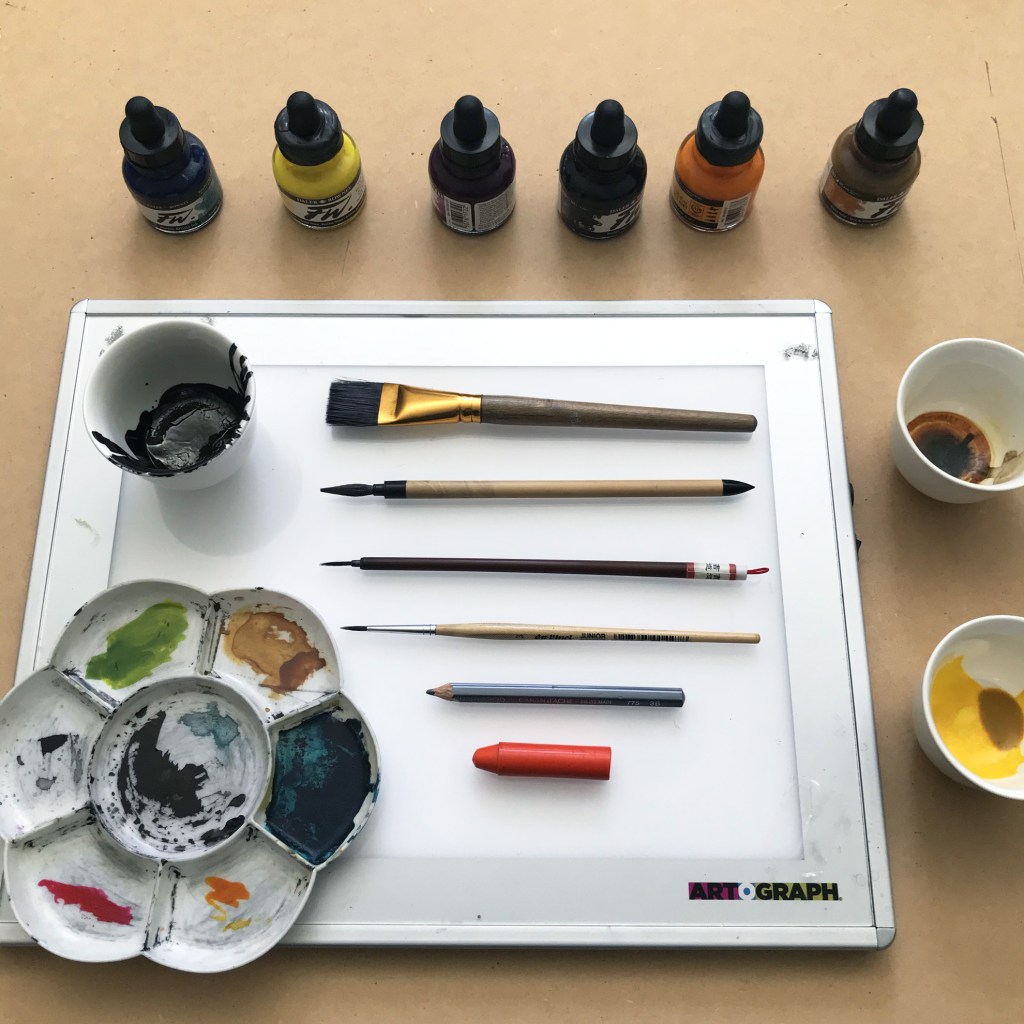
After the storyboards were all given the go ahead, I spent a few weeks doing colour tests, playing around with inks, pencils and crayons to find that just right combination for the look of the story. I print out all of my sketches then use a light box for my inking process. I ink my linework and colours separately, just in case. I’d hate to have to redo an entire illustration because of one stray line! My illustrations are usually done in bits and pieces, before I scan everything in and layer it all in Photoshop. It feels like digital printmaking, in a way.

This project was a bit of an experiment for me. I used to work in only black ink and use the computer to do all my colouring, but on this book, I used a variety of coloured acrylic inks to do as much colouring as I could outside of the computer. I think there’s something wonderfully unpredictable, loose and warm about how it turned out. We decided to print the egg-yolk yellow in a special Pantone colour, which was saved for Alexander and Nancy and the pouch interior illustrations. It’s so terrifically bright!

It took about 4-5 months to finish all of the illustrations. I had a couple of speedbumps, trying to get my linework somewhere which had the loose energy I was looking for, but still a bit refined. Quite symbolic of the battle between Alexander and Nancy’s personalities, really. There were a few late nights but I’m really happy with how it all came together! Usually I have to wait about 9 months to see the finished product, but 2020 has been such an unusual year. It was only several months from our print deadline to seeing a completed copy. I’m so pleased with our book, I hope you all love it as much as Ziggy and I do!”

With thanks to Daniel for this fantastic guest post! The Pocket Chaotic is published by Cicada Books; find out more The Pocket Chaotic — Cicada Books.

Children’s publishers read aloud permissions

As we navigate another period of lockdown, it can be difficult to know what the ‘rules’ are regards making recordings of reading aloud/story time for children. Many children’s publishers have confirmed current guidelines for educators – others are yet to update them for 2021 (as at time of writing). I’ve gathered as many as possible below for information. Note that each publisher has slightly different guidelines and variations in their policy but nearly all state:

  • specific criteria must be met when creating your recording in order for the permission to be valid
  • permissions are for recordings made for educational use (not for profit making events)
  • deadlines apply as to when recordings must be removed
  • recordings can only be shared via closed educational platforms or if necessary, on YouTube as ‘unlisted’ (private) links

In many cases you will need to notify the publisher of your intention and send them your recording. Please do read the FULL guidelines from the publisher you need permission from.

Publisher permissions

Bonnier Books – recordings can be shared on closed educational platforms only – not valid as permission for any project which seeks to financially gain from a reading. Valid until 31 March 2021. Full guidelines

Bloomsbury – not yet updated for 2021

Chicken House – whilst schools are continuing to teach remotely, online readings can take place through a password protected area of a school’s website or through platforms such as Google Classrooms or similar.  Online readings should not be made publicly available online and must only be accessible by the students of the school.  The readings must be removed from the platform as from 1st April 2021. Full guidelines

Collins, HarperCollins, Egmont – permission to read titles online until and including, April 1st 2021. These virtual readings may be streamed live via digital platforms, or if recorded, posted in closed educational platforms. If a closed platform is unavailable, recorded videos of readings may be uploaded to YouTube as long as they are marked “Unlisted”. Full guidelines

Faber – full permission for anyone to record themselves reading from Faber books online has been extended until 31st March 2021. Any recordings must be taken offline by this date.  Full guidelines

Firefly Press – permission granted for educators to read aloud online and on video until February 2021 via closed platforms or if unavailable, via unlisted YouTube video. Full guidelines

Flying Eye / Nobrow books – permitting teachers to create and share story time and read-aloud videos and live events for families stuck at home on closed educational platforms or privately online, until 31st March 2021. Full guidelines

Hachette – School story time or classroom read aloud videos may only be created and posted to closed educational platforms, until the end of March 2021, after which they must be removed. Full guidelines

Little Tiger – permission for educators to share read aloud videos, and display the book on closed educational platforms or YouTube provided the link is private (unlisted). These videos may be hosted on the educational platform and/or YouTube (as “Unlisted”) until 31st March 2021. Full guidelines

Macmillan Children’s Books – permission for teachers to live stream or post videos reading any children’s books published by Macmillan Children’s Books. Readings are allowed to remain online for 4 months after posting and they reserve the right to request that you take down any reading that does not reflect well on the publishing company or the book. Full guidelines

Penguin Random House – Until 30th June 2021, UK-based teachers and librarians will be able to share story time, read-aloud videos and live events stories online on closed educational platforms or as ‘private’ Youtube videos. Full guidelines

Quarto Kids – educators are welcome to read any Quarto Group title to children via virtual means. However, please do not archive or save the recordings for continuous use. If being used as part of an educational curriculum, recordings must be removed or disabled after 30 day, and only shared on closed/private platforms. Full guidelines

Scholastic – not yet updated for 2021

Simon and Schuster – Until 31st March 2021, permission to livestream and post readings of Simon & Schuster books online for your pupils, within the confines of educational platform or private YouTube listing.

Usborne – permission for educators to create and share readings of Usborne books, and display the illustrations as part of the readings, sharing on a closed group or educational platform including by sharing an unlisted YouTube link. This permission is effective from 24 March 2020 and has now been extended to 31st July 2021 after which all recordings should be deleted. Full guidelines

Walker Books – educators providing distance learning to students in a virtual classroom setting can create story time or classroom read-aloud videos and post to closed educational platforms or as ‘private’ YouTube links until Easter 2021, after which they should be removed from the educational platform and/or from YouTube. Full guidelines

This list is not exhaustive and will be updated as more information and confirmation of guidelines from publishers becomes available. Information is accurate at time of publication, but subject to change as the pandemic situation changes. As mentioned above, please read the FULL guidelines to ensure any recording made meets the required criteria for the permission to be valid. If you are uncertain then it is best to contact the publisher in question directly.